
Asia is projected to unlock 43% ($4.3 trillion) of the $10.1 trillion revenue opportunity available by 2030 from activities like the expansion of renewable power, energy efficiency in buildings, transportation and agriculture, and greater circularity in producing industries[1]. Currently, Asia is the world’s largest greenhouse gas producer, and if unchecked, economic growth could further escalate emissions, exacerbating climate risks and undermining sustainable development efforts.
As industries adopt more sustainable practices, enhance technology and apply innovations for sustainable, circular growth, it is estimated that 229 million jobs will be created in Asia alone, representing 58% of the global green job creation. The ILO recognizes that greening will impact employment across all sectors, yet will be initially more concentrated in energy, agriculture and forestry sectors – all sectors representing large pillars of Mekong country’s economies.[2]
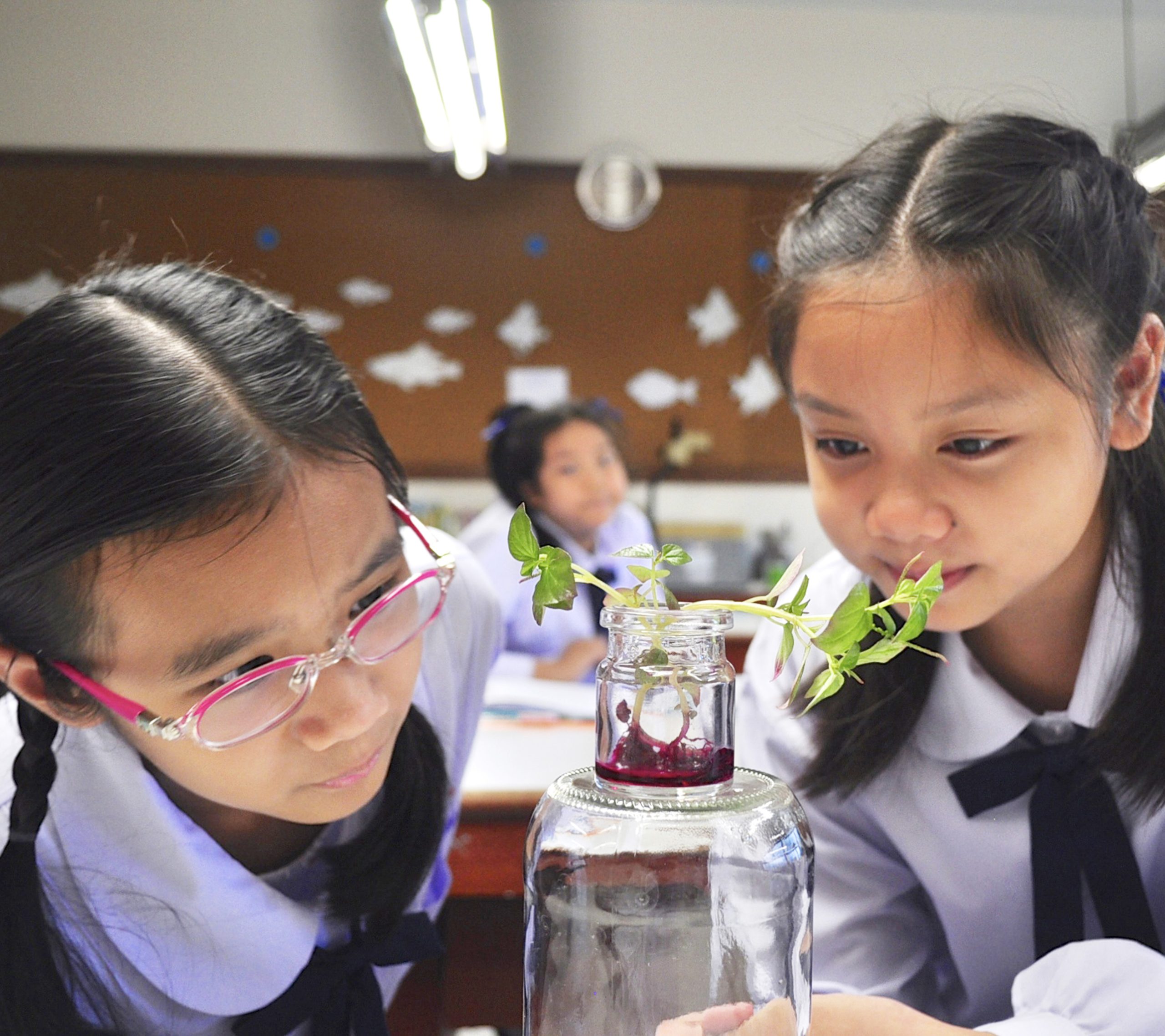
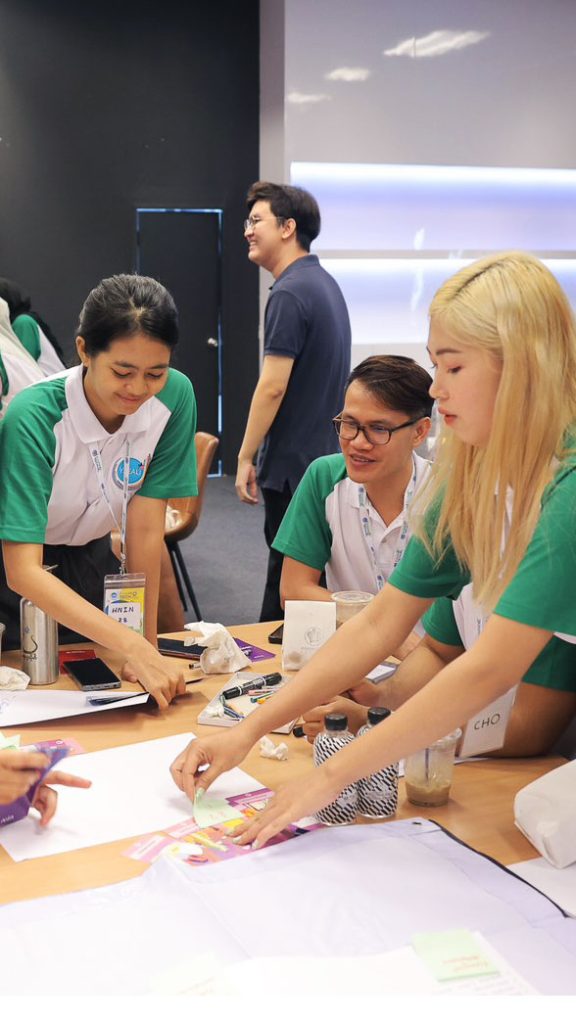

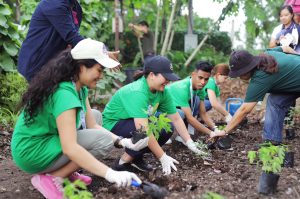
Every day, Kenan Foundation Asia works with teachers, principals, school administrators and policy makers – aiming to design and test curriculum that is aligned to national objectives and can be easily delivered in classrooms in underserved areas of Thailand and Vietnam.
Recognizing the urgent need to prepare students and youth for the green economic transition and drawing on its 25+ years of experience transforming education in Southeast Asia, Kenan Foundation Asia is launching a new call to action: imploring businesses and donors to invest in greening education systems in Mekong countries through a long-term, system-strengthening, and scalable approach, the Mekong Green Skills Accelerator.
Aligning with UNESCO’s Greening Education Partnership, the Mekong Green Skills Accelerator aims to “Empower learners with the skills required for inclusive and sustainable economic development“.
The Mekong Green Skills Accelerator, leveraging the expertise and networks of Kenan Foundation Asia as the catalyst, will focus on 2 of the 4 pillars of change identified by UNESCO:
Targeting on Primary, Secondary and Vocational Education
Kenan Foundation Asia, with an extensive track-record building teacher capacity in primary, secondary and vocational institutes, proposes to design age-appropriate curriculum, aligned to national objectives that will empower students through a greater understanding of climate change and sustainable consumption, build their skills to design, innovate and lead climate action, and prepare them for employment in green industries. The curriculum will promote general environmental awareness, STEM skills, and 21st century skills, 3 core components of green skills and promoting students to explore challenges, design solutions, and collaborate in teams.
Kenan’s Project-Based learning approach can be adapted to support student’s environmental awareness and provide opportunities for them to lead collaborative actions, practicing green, STEM and soft-skills along the way.
Within TVET, Kenan proposes to focus on enhancing green skills and sector-specific skills for Agriculture and Energy. These are selected as they (a) produce the top-two highest Greenhouse Gas Emissions; (b) employ millions of people; (c) contribute significantly to GDP; and (d) in the case of agriculture, is highly vulnerable to the impacts of climate change.
By 2030, Kenan Foundation aims empower 150,000 students through climate awareness, action and green skills in agriculture and energy by training 2,000 teachers in Thailand, Vietnam and Cambodia in the next 5 years.
As additional partners join the initiative, we envision expanding to Laos and Myanmar.
Kenan Foundation Asia is a local non-profit, based in Bangkok, Thailand and with a country office in Hanoi, Vietnam. Kenan implements programs in Thailand, Vietnam, Cambodia and regional projects with ASEAN. Kenan has over 25 years’ experience designing and delivering innovative, practical and scalable teacher professional development programs in the region, in particular in areas that are highly relevant to green education, such as STEM Education and 21st Century Skills.
With Kenan, the Accelerator is not starting from scratch. Our existing STEM and Energy Awareness Curricula can be adapted to address climate change and build sustainable mindsets. Kenan also boasts a global network of business leaders and academics, including a close partnership with the University of North Carolina and the Kenan Institute of Business in the US. Finally, as an independent non-profit, Kenan can serve both as a convener and an agile implementer – piloting, testing and iterating the approach to bring green education to underserved students quickly.
Locally-led non-profit with regional presence
Experience training 20,000+ teachers in STEM & 21st Century Skills
Established partnerships with Ministries of Education
Experience adapting international curriculum to local contexts